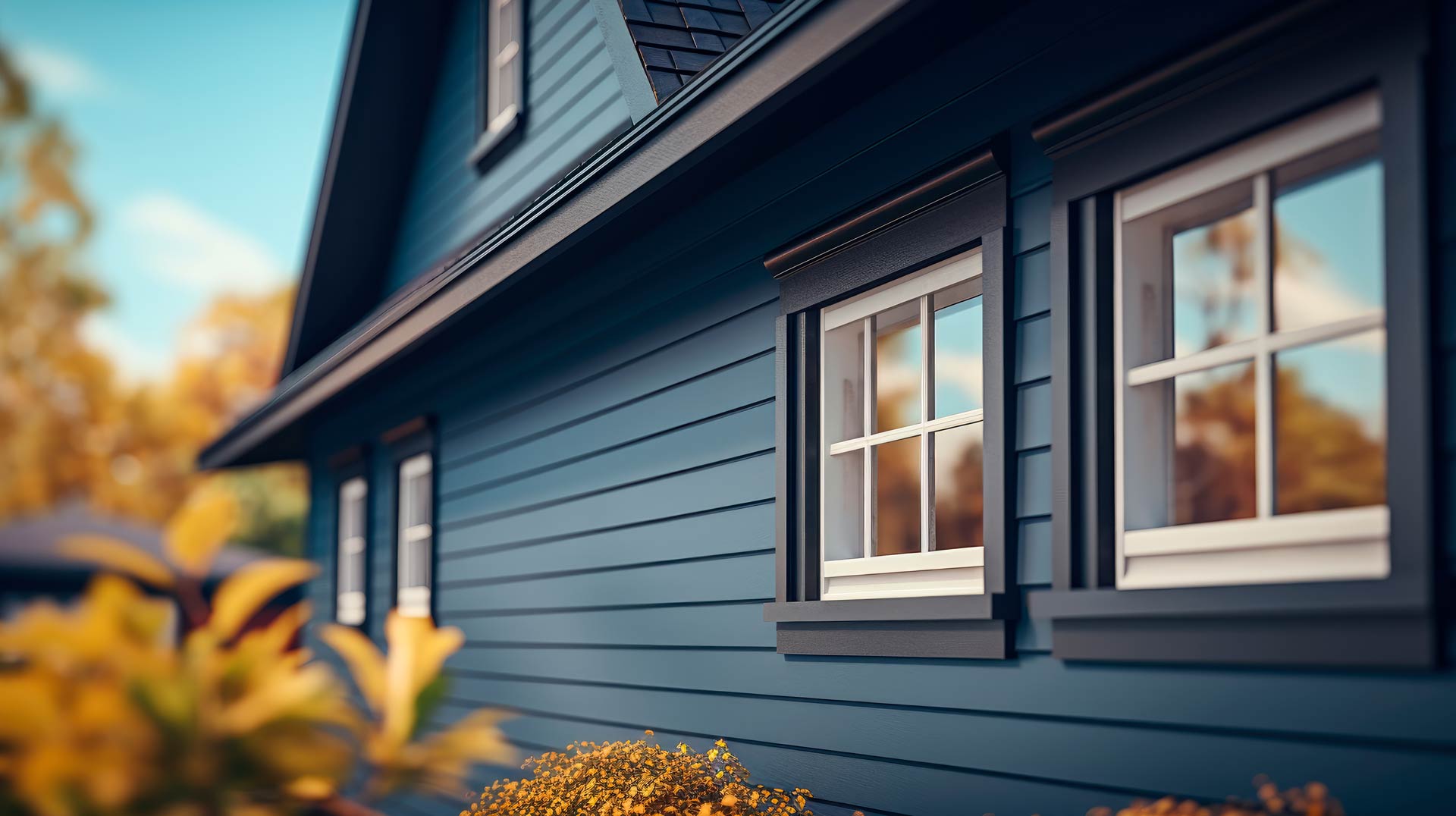
Painting James Hardie Plank Siding
If you’re looking at your HardiePlank® siding and thinking, “The boards are fine, but the color looks tired,” you’re not alone. At Painting Plus, we meet homeowners every week who want a clean refresh without turning the project into a full renovation. The good news is that fiber cement is one of the best exterior surfaces to paint when it’s prepped correctly. This guide is everything you need to know, written for real homeowners who want a clear plan and a finish that holds up.
If you’d rather have our team handle the work, start here: exterior painter. Want to see completed projects first? Browse our gallery.
What Most Homeowners Need to Know
| Situation | Best Practice | Why It Matters |
|---|---|---|
| New primed or pre-primed HardiePlank® (unpainted install) | Follow the rule that it must be painted within 180 days (you’ll also hear “painted within 180 days”). Prime cut edges and repairs before finish coats. | Protects the substrate, seals weak points, and improves adhesion for a longer-lasting finish. |
| Factory-finished ColorPlus® or factory-painted James Hardie siding | Wash thoroughly, remove chalking, and lightly dull the sheen (or use a bonding primer if needed) before repainting. | That tougher finish still needs adhesion prep so your new paint bonds instead of peeling early. |
| Previously painted siding with old paint wear or peeling | Scrape/sand loose paint, spot-prime exposed areas, and fix any moisture or flashing issues before repainting. | Paint won’t hide failure underneath. Stabilizing the surface prevents peeling from telegraphing back through. |
| Product choice for painting Hardie board siding | Use a premium acrylic exterior system rated for harsh weather. Avoid bargain coatings on sun-heavy elevations. | Acrylic exterior paint flexes better, resists UV fade, and holds up on cement-based materials. |
| Application and long-term upkeep | Plan for two finish coats of quality latex paint, follow dry times, and inspect caulked joints once a year. | Two consistent coats protect better and look more uniform; yearly checks help prevent water entry and early failure. |
Can You Paint James Hardie Siding, or Should You Fix Bigger Problems First?
When painting is the smart move
If your siding is in good shape and you’re dealing with cosmetic wear, repainting with latex paint is usually the best path. We see it all the time: the boards are solid, the lines still look crisp, but the color has dulled or faded on the sunny elevations. In that scenario, painting is a straightforward upgrade that makes the whole exterior feel newer.
When paint won’t solve the real issue
If you have repeated moisture staining, loose sections, or obvious installation problems, paint won’t fix the root cause. This is why we inspect first. Sometimes it’s a small repair and paint job. Other times it’s a bigger conversation about trim, flashing, or replacing a few sections of old paint before you spend money on finishes.
What Makes Fiber Cement Siding So Paint-Friendly?
Why fiber cement behaves differently than wood or vinyl
Fiber cement siding is made with cement and cellulose fibers, which helps it stay stable through heat, humidity, and temperature swings. It’s designed to withstand weather without the same movement you see in other materials, so the finish on your home exteriors has a better chance to stay intact.
Common comparisons homeowners ask us about
Compared to wood siding, it’s far less likely to absorb moisture and develop rot. Compared to vinyl, it won’t soften in extreme heat and it’s less likely to warp on the hottest, sun-facing walls. That stability is a big reason why a properly applied finish can be truly durable.
HardiePlank® vs Hardie Board Siding: What Homeowners Mean
Same idea, different ways people say it
Homeowners use different terms, and that’s totally normal. Some say HardiePlank®. Others say “Hardie board.” Either way, we treat it as a fiber cement system and confirm what finish you have before choosing products and prep steps. The siding comes in more than one finish option, and that changes the approach.
Why finish type matters more than the name
For example, a factory-finished product has a tougher surface than a board that’s meant to be finished on-site. The system can work on both, but the prep is different. Getting that part right is what keeps the project from looking great at first and failing early later.
Choosing Exterior Paint That Holds Up
What we trust on real home siding
For most projects, we recommend a high-quality acrylic product because it stays flexible and handles weather better. We often use premium lines from Sherwin Williams when the budget allows, especially on sun-exposed walls. A quality latex option can also perform well, as long as it’s truly made for exterior conditions.
Sheen and cleanability in plain English
Most homeowners like a low-sheen look because it hides minor waves and surface texture. If your home sits near heavy traffic or trees, a slightly higher sheen can make seasonal washing easier without making the finish look glossy.
Where Prime Matters Most
Focus on edges and repairs
When people hear “prime,” they assume the entire exterior needs it. In reality, you mainly need to pre-prime cut edges, repairs, and any exposed substrate. If those weak points are sealed correctly, your finish tends to level out and wear more evenly.
The most common DIY miss
The #1 thing we see DIY projects miss is edge sealing. If edges are left raw, moisture gets in and the finish can fail early. Spend the time on the details and you’ll get a more even look and longer performance.
Prep That Prevents Failure
Cleaning siding (without causing damage)
Start by cleaning the siding to remove dirt, pollen, and chalking. Pressure washing can be fine, but it has to be done carefully so you don’t drive water behind the boards. If you want help, our pressure washing is a good first step for homes that haven’t been washed in years.
Seams and small siding repairs
After cleaning, inspect seams and penetrations. If you see gaps that can let water in, seal them with a quality, paintable caulk before paint day. On older homes, this is also the time to check around windows and doors, since those areas take a lot of water.
How We Apply Paint for a Smooth, Even Look
Consistency beats speed
We focus on steady coverage and clean transitions. The goal is a uniform finish that doesn’t look patchy when the sun hits it. If you’re doing it yourself, work top to bottom and avoid starting and stopping mid-wall.
Dry time matters
Atlanta humidity can slow cure time. Even when a wall feels dry to the touch, the film may not be ready for a second pass. Following product dry times helps your finish bond properly and look uniform.
DIY vs Hiring a Pro in Metro Atlanta
When DIY is realistic
If you have the time, the ladders, and the patience for prep, DIY can work. The homeowners who do best are the ones who don’t rush and who treat prep like the main job, not an afterthought.
When hiring Painting Plus makes sense
If you want clean lines, consistent coverage, and a plan that protects your investment, it’s usually worth hiring a pro. You can also explore our local pages, like house painter Marietta, or take a look at related improvement work we do, such as window installation and renovations.
Final Checklist Before You Start
Quick homeowner checklist
- Confirm if your system is factory-finished or meant to be finished on-site
- Wash the siding and allow full dry time
- Prime only the areas that need it, especially cut edges and repairs
- Apply two finish passes and follow dry time rules
When you’re ready, we can help
If you want us to take a look at your home or project, contact Painting Plus and we’ll give you a clear plan, not a sales pitch. We’ll walk the home, point out what matters for the home, and tell you exactly what we’d do to make the finish last.
Key Takeaways
- Hardie Plank siding and similar products can be painted successfully when prep is done right.
- Use a premium exterior system and don’t skip the edge and repair details.
- Clean gently and keep water out of seams so the finish stays consistent.
- Two finish passes with proper dry time is the simplest recipe for a better-looking home.
Ready to repaint your Hardie siding? Contact Painting Plus for a straightforward quote and a plan that lasts.
Tip: If your goal is to paint hardie board without changing anything else, the fastest wins are proper prep, smart edge sealing, and steady application. Those basics are what separate a finish that looks good for one season from one that looks good for years on colorplus siding.